Everything I Know About These Objects, Organised in One Place
I have examined antique scientific instruments in auction rooms, private collections, and museum study facilities across Canada and abroad. What follows is a distillation of that experience into the six areas that matter most to anyone approaching this field seriously — whether they are handling their first piece or refining a collection they have been building for years. I do not assume prior knowledge. I start from the physical object, move to the historical and archival record, and then address the market context with the measured tone it deserves. Nothing here promises outcomes. What it offers is the kind of structured, honest guidance that I wish had been available to me when I began.
Where collecting, craft, and science converge
The Objects
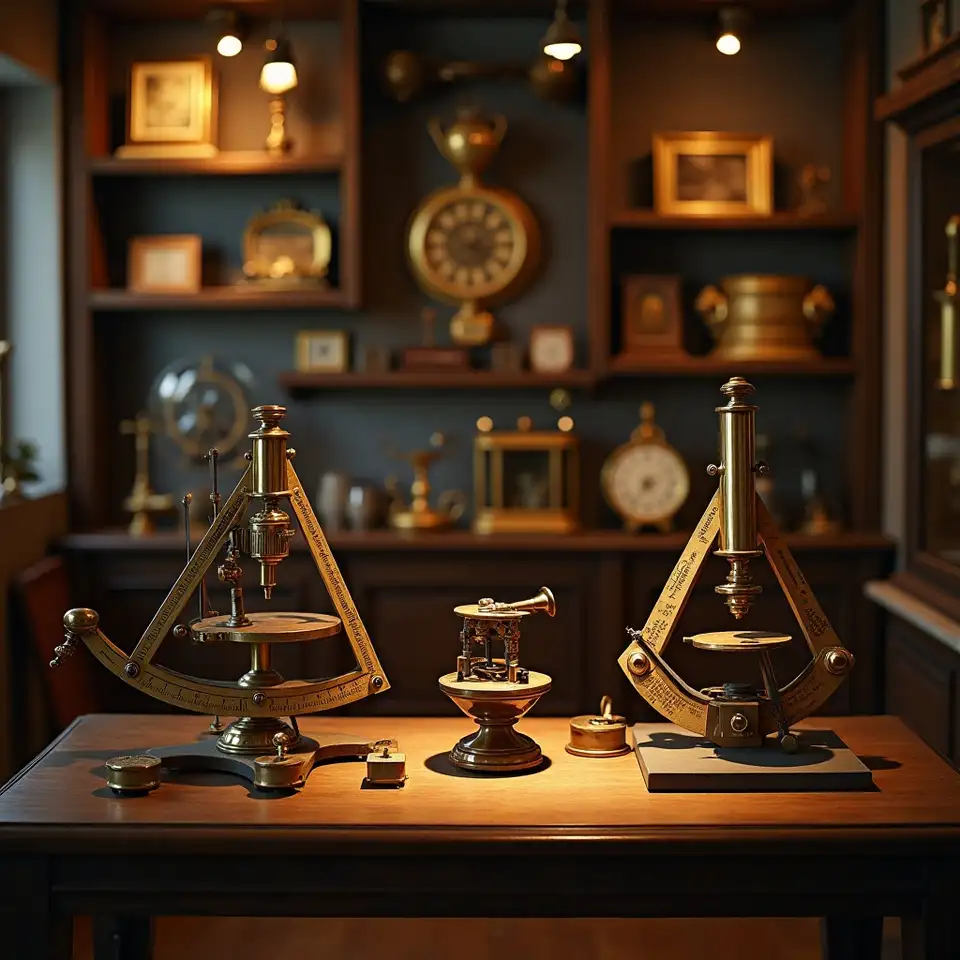
There are categories of antique that reward a cursory glance — a well-proportioned chair, a pleasing ceramic glaze, a painting whose subject is immediately apparent. Antique scientific instruments are not among them. They reward sustained attention. A sextant looks, at first, like an arrangement of brass arms and mirrors. Look longer, and you begin to see the graduated arc, the vernier scale, the index arm, the horizon and index mirrors — each element performing a specific function in the geometry of celestial navigation. Look longer still, and you begin to notice the maker's stamp, the quality of the optical glass, the fit of the mechanical joints, the wear pattern on the arc that tells you how frequently this instrument was actually used at sea. That progression — from first impression to detailed reading — is what I try to facilitate through the content on this site. I cover the major instrument categories: compound and monocular microscopes, astrolabes, sextants, theodolites, barometers, and orreries. Each has its own vocabulary, its own period conventions, and its own community of knowledgeable collectors. I describe what distinguishes a significant example from a commonplace one in each category, using concrete visual and tactile details rather than abstract assessments. The goal is to give you the perceptual vocabulary to look at an instrument and begin reading it for yourself — because that ability, once developed, cannot be taken away by a changing market or an unreliable seller.
Authentication — The Three-Step Method I Use on Every Piece
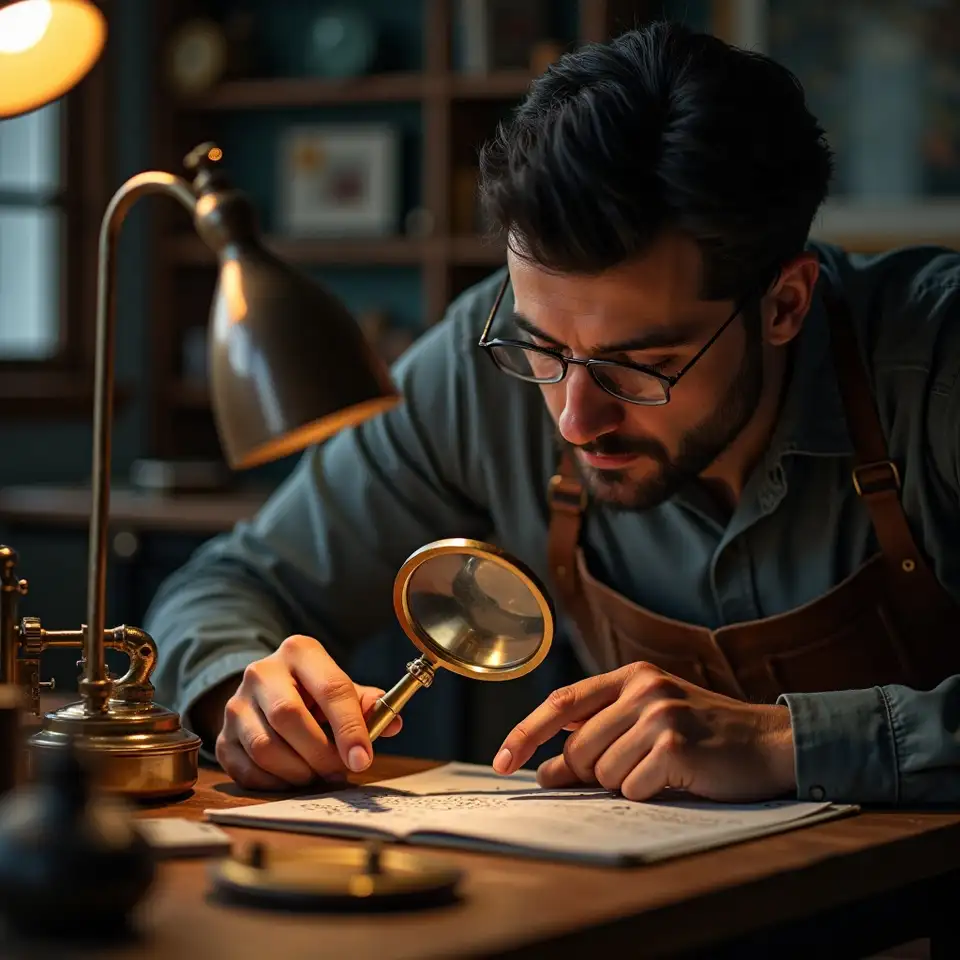
I have seen instruments described as being in excellent condition that had been re-lacquered within the decade, with original surface detail obscured under a glossy new coating that a novice collector might mistake for good preservation. I have also seen instruments described as worn that carried original lacquer, honest patina, and mechanical action as smooth as the day they left the workshop.
The first thing I assess is whether the surface finish is original. Brass instruments were typically lacquered to slow oxidation, and that lacquer ages in specific ways — it crazes, yellows, and develops thin patches in areas of frequent handling. A re-lacquered surface is visually different: more uniform, brighter, and lacking the micro-variation that genuine aged lacquer shows under magnification. Re-lacquering is not necessarily a disqualifying defect, but it must be disclosed and it does affect value.
Condition Grading — What the Terms Actually Mean When Applied to Scientific Instruments
Market Commentary — What I Observe in Auction Results and Dealer Pricing, and How I Report It
- What I observe, and what I describe on this site, is the relationship between condition, provenance, rarity, and the prices that documented examples have achieved at auction over time. I note when a category appears to be attracting increased collector attention, and I note when certain instrument types appear frequently at auction — which can indicate either growing supply or declining demand, depending on the context. I do not present either observation as a prediction.
- I am deliberate about the language I use when discussing market patterns. A category that has seen strong auction results over several years has done so for reasons that may or may not persist. Collector taste shifts. Institutional collecting priorities change. Economic conditions affect discretionary spending on antiques in ways that are difficult to anticipate. Anyone approaching antique scientific instruments with primarily financial motivations should keep all of these factors in mind, seek independent professional advice before making significant acquisitions, and treat past market observations as context rather than guidance. Past performance does not guarantee future results.
- What I can say with confidence is that well-documented instruments in honest original condition have consistently attracted the most sustained collector interest across the categories I follow. That pattern has held across different market conditions and different levels of general antiques activity. Whether it will continue to hold is not something I am able to predict, and I would be sceptical of anyone who claimed otherwise.
Key Instrument Categories
Four collecting areas where craft, history, and careful documentation combine to reward sustained attention
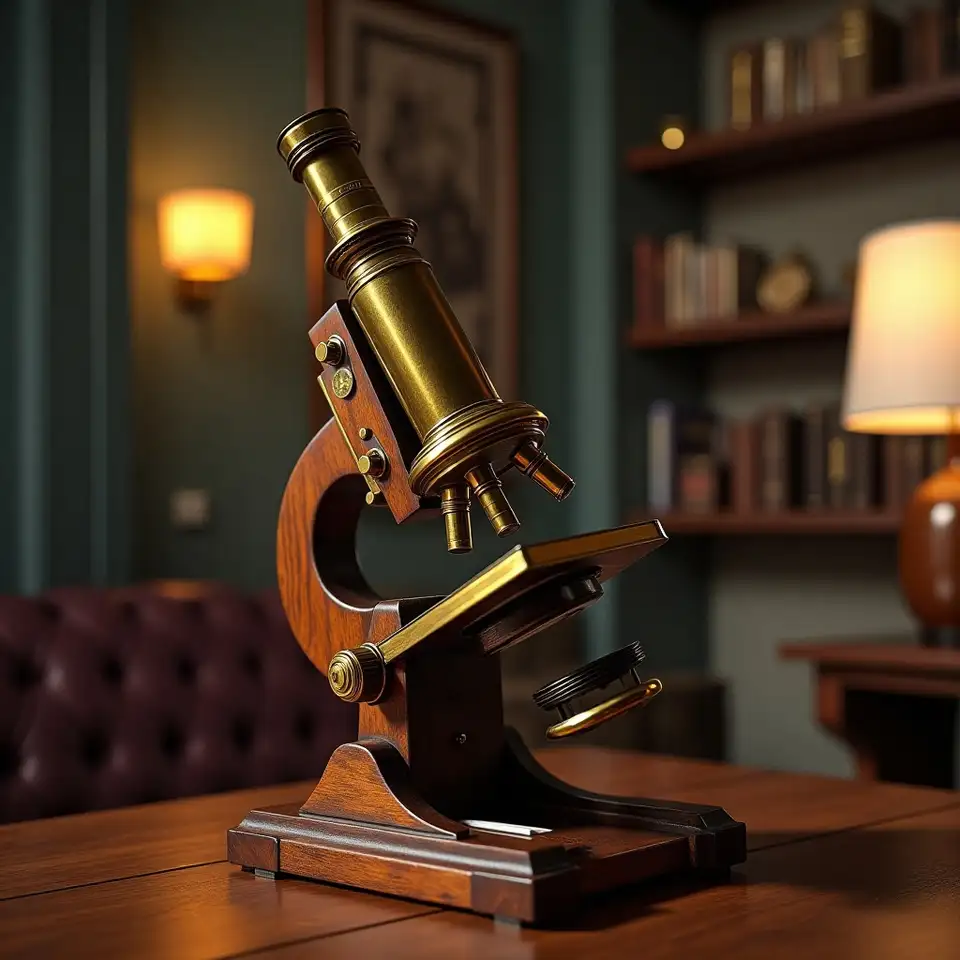
Compound Microscopes — A Victorian Legacy
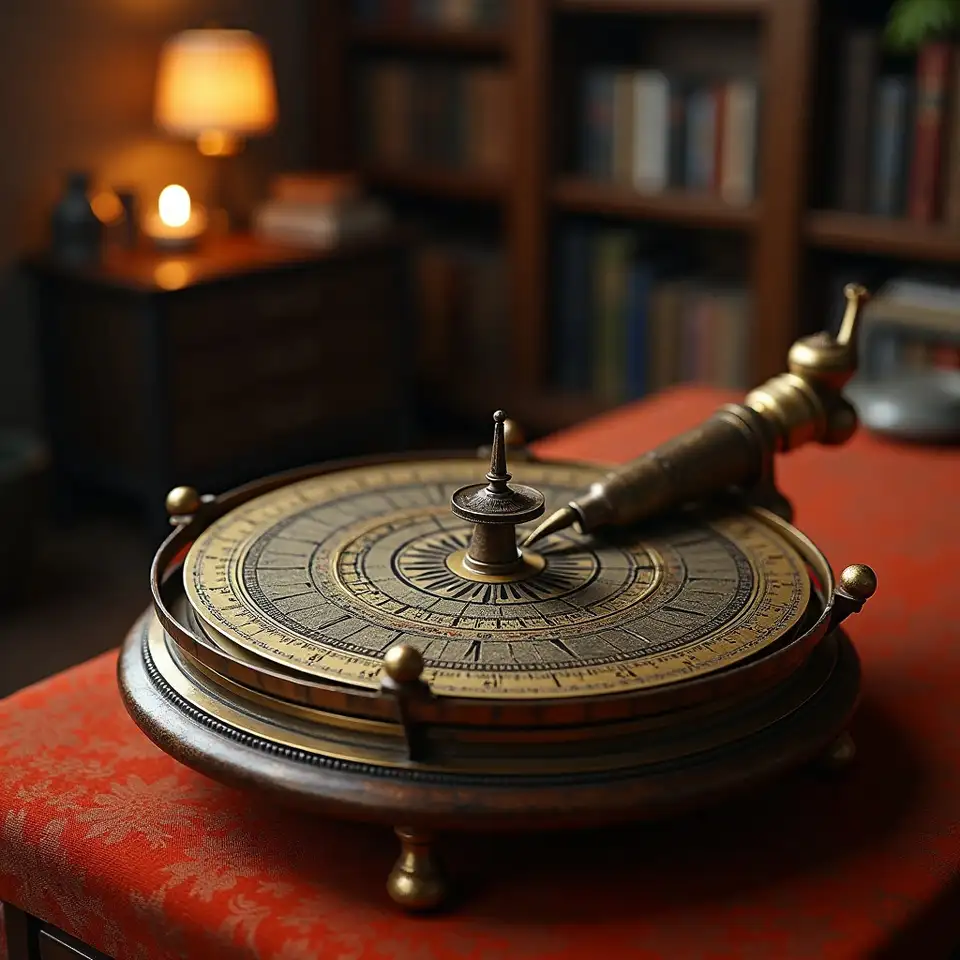
Astrolabes — Reading the Sky in Brass
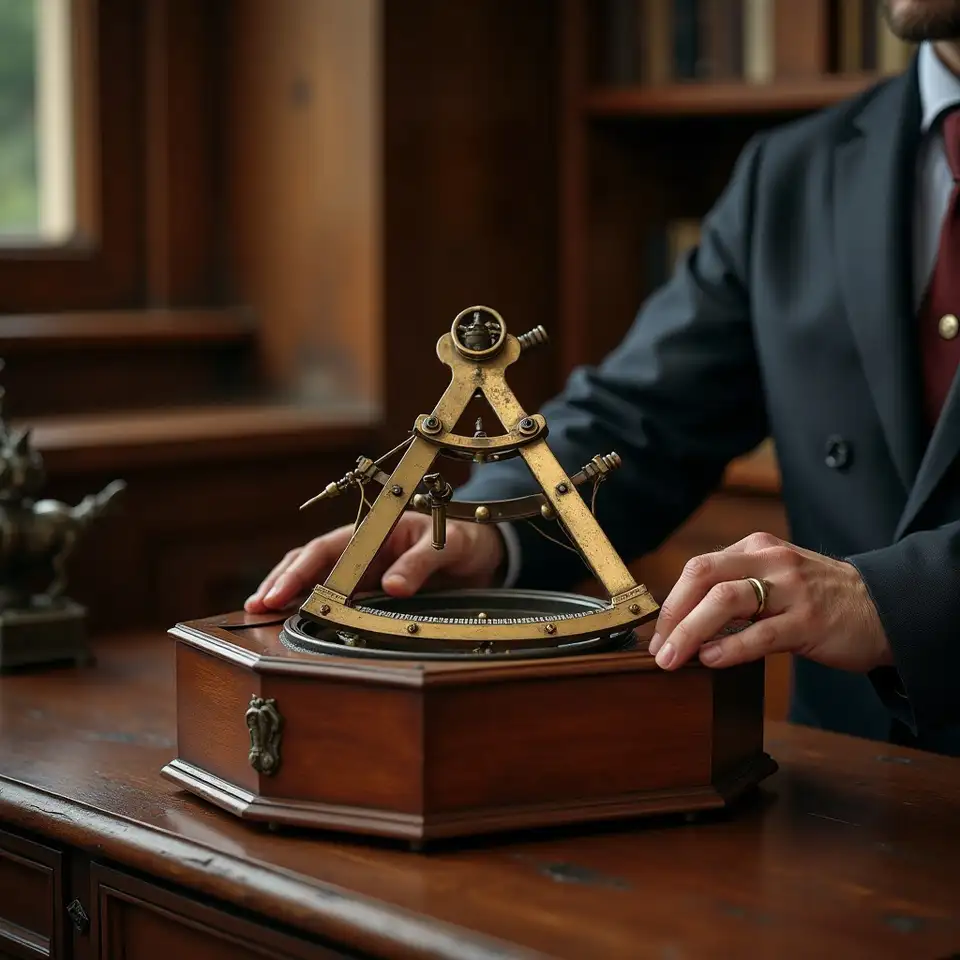
Sextants — Navigation Instruments With Documented Histories
A sextant in good mechanical condition with a documented chain of ownership is one of the most satisfying instruments a collector can acquire. The field is broad enough to accommodate a range of budgets and specialisations — from pocket sextants to large-arc naval instruments — and the reference literature is unusually rich. I describe the makers whose work commands the most consistent collector attention, the condition issues most frequently encountered, and the provenance indicators that add confidence to any acquisition.
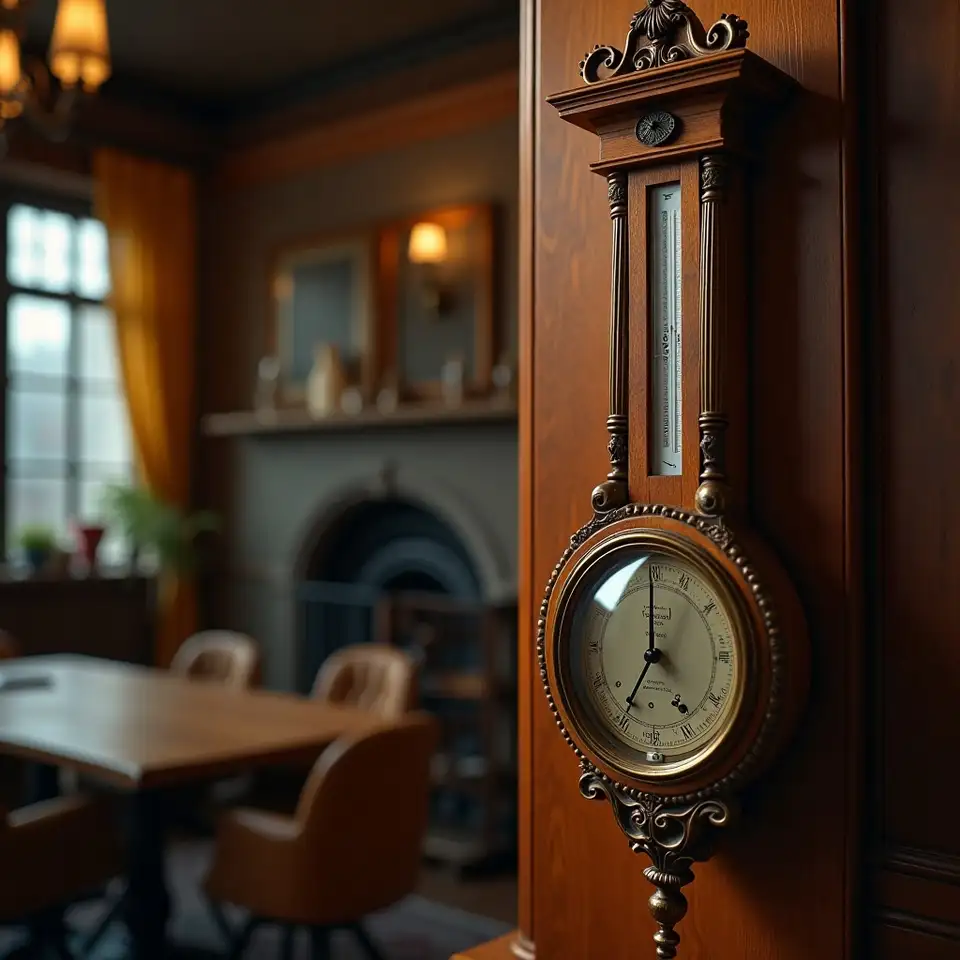
Barometers — Atmospheric Science in Domestic Form
Where to Begin
Choose One Category
The breadth of antique scientific instruments can feel overwhelming at the start. Microscopes, astrolabes, sextants, theodolites, barometers, orreries — each is a field in its own right, with its own history, its own vocabulary, and its own community. I made the mistake of spreading my attention too widely too early. The collectors I admire most chose one category, learned it with genuine depth, and expanded only when they felt genuinely fluent. The instrument guides on this site are organised to support exactly that kind of focused, sequential learning.
Build the Library
A good reference library pays for itself quickly. The specialist literature on antique scientific instruments is richer than most newcomers expect — auction catalogues, monographs on specific instrument types, and the publications of collector societies active in Canada and internationally. I describe the titles I consider essential for each major category, and I explain why owning the right reference books matters as much as handling the objects themselves. A catalogue that helps you identify a misattributed piece is worth considerably more than its purchase price.
Find the Community
The collector community for antique scientific instruments is small, but it is unusually generous with knowledge. Specialist fairs, society meetings, and museum study days all offer access to experienced collectors who are often willing to share what they know with people who approach the field with genuine curiosity. I describe how to find and engage with that community in the relevant section of this site, and I note from personal experience that the relationships formed in those early encounters tend to be among the most durable and practically useful in a collector's career.

If you have a question that the guides on this site do not answer — about a specific instrument, a maker's mark, a condition issue, or anything else related to the field — I am genuinely glad to hear from you. I read every message personally and reply to each one.
Six Habits That Distinguish Thoughtful Collectors From Casual Buyers
Over the years I have observed a clear pattern in the collectors whose acquisitions hold their interest over time and whose collections develop genuine coherence. They share a small number of habits that are not difficult to adopt but that make a meaningful difference to the quality of every decision they make. I describe each of them below, drawn from direct observation and from my own experience of getting them wrong before I got them right.
- Keep a Written Record of Every Acquisition
- The record you keep when you acquire a piece becomes part of that instrument's provenance. Write down where you found it, what you paid, what condition it was in, what research you conducted, and any work done to it afterward. That record protects you, supports any future sale, and gives the next owner something genuinely useful. I have seen well-documented instruments achieve stronger results than comparable undocumented examples at auction on multiple occasions.
- Has this piece been restored? Is the lacquer original? Are any parts replacements? Does the provenance extend beyond the current seller's ownership? A reputable dealer or private seller will answer these questions directly. Evasion is itself informative. I describe in the authentication section of this site what questions to ask for each major instrument category and what the answers should sound like when they are honest.
- Resist the Pressure to Fill Gaps Quickly
- Use the Reference Literature Systematically
- Approach the Market With Calibrated Expectations
No photograph conveys the weight of a brass microscope, the smoothness of a sextant's index arm, or the depth of an astrolabe's engraving. Physical contact with the object is the first and most important step in any assessment. I have passed on instruments that photographed beautifully and acquired pieces that looked ordinary in catalogue images — because handling told me something that the photograph could not.
A collection built in haste from whatever happened to be available is rarely satisfying to look at and rarely coherent as a body of objects. The best pieces I have acquired came after months or years of patient searching. Waiting for the right example — the correct condition, the documented provenance, the plausible price — is not indecisiveness. It is one of the most productive things a collector can do with their time.
The specialist literature on antique scientific instruments is not light reading, but it repays careful study in a very direct way. A morning spent with the right monograph can give you the vocabulary to identify a misattributed piece, recognise a significant maker's signature, or spot a condition issue that a general antiques guide would never mention. I recommend specific titles for each major category in the relevant sections of this site.